Hiring a Trusted Automotive Service Center in Pottstown PA
Vehicle Service Experts Specializing in Vehicle Repairs, Vehicle Diagnostics, and Vehicle Enhancements
Auto mechanics provide vital services that guarantee vehicle reliability and performance. They specialize in diagnosing issues and performing repairs, from routine maintenance to complex upgrades. Their proficiency can significantly prolong a car's longevity and improve the driving experience. Knowing what these experts provide is crucial for all learn the facts car owners. The next steps in vehicle care may lead to unexpected insights.
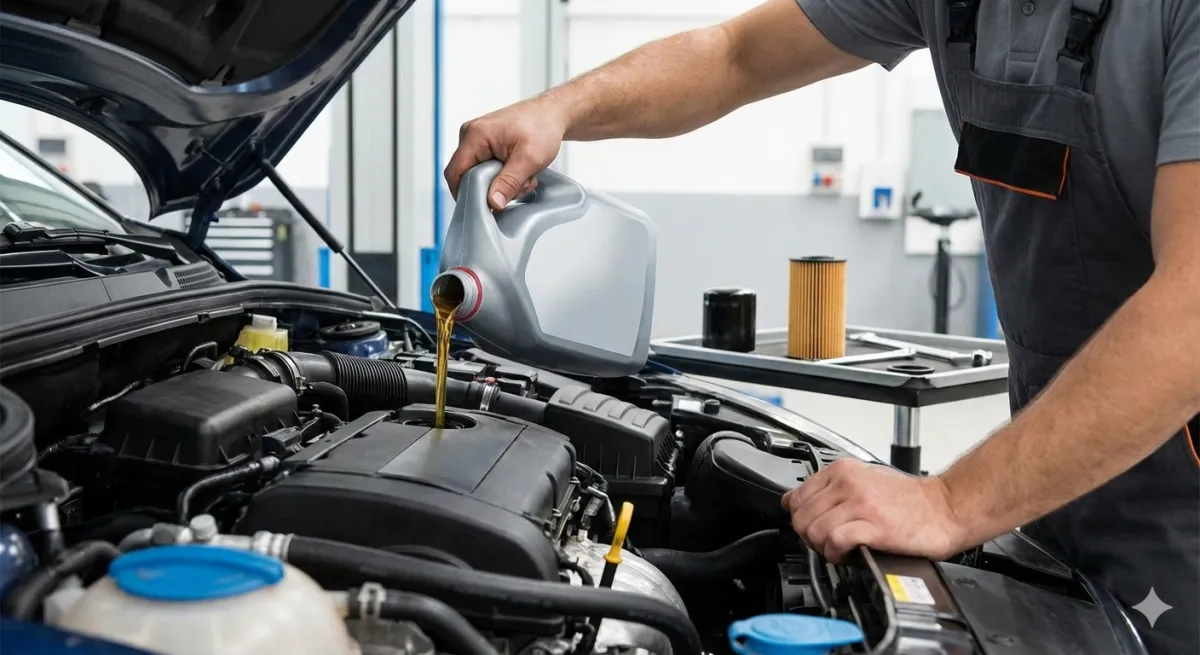
Critical Vehicle Diagnostic Solutions
When unusual symptoms appear in a vehicle, comprehensive car diagnostic services fulfill an essential role in detecting root causes. This diagnostic work leverages advanced technology and software to evaluate a car's functionality and discover problems. Mechanics perform comprehensive inspections using scanning devices that link to the vehicle's onboard computer systems. This process can uncover problems such as powertrain issues, transmission problems, or electrical system issues that may not be readily noticeable.
Moreover, diagnostic services commonly include reading error codes, which help mechanics pinpoint the specific component experiencing issues. By correctly diagnosing the problem, mechanics can propose appropriate repairs, avoiding further damage and maintaining vehicle safety. Regular diagnostic checks are crucial for upholding vehicle health, as they can uncover potential issues before they escalate into serious, costly repairs. In the end, vehicle diagnostic services function as a proactive measure, promoting longevity and reliability in automotive performance.
Standard Auto Repairs Worth Knowing About
Understanding standard auto repairs is vital for vehicle owners. Key areas include brake system repairs, which guarantee safety and performance, and engine diagnostics services that detect underlying issues. Being knowledgeable about these repairs can aid in maintaining a vehicle's reliability and longevity.
Brake System Repairs
Although often overlooked, brake system repairs are vital for maintaining vehicle safety and performance. Regular inspections are critical, as worn brake pads can compromise stopping power and result in dangerous situations. Mechanics recommend checking brake fluid levels, as low fluid can signal leaks or other issues within the system. Furthermore, brake rotors should be examined for warping or scoring, which can produce uneven braking and increased wear on pads. Drivers should also be attentive to unusual noises, such as grinding or squeaking, as these may signal the need for immediate attention. By addressing brake system repairs promptly, vehicle owners can ensure their cars remain safe and reliable on the road, ultimately boosting both performance and longevity.
Motor Diagnostic Services
Professional engine diagnostics play an essential role in detecting and fixing problems that can impact a vehicle's performance and reliability. These diagnostics use advanced technology, such as onboard diagnostic systems and specialized software, to evaluate a vehicle's engine and related components. Technicians can identify concerns including misfires, fuel inefficiencies, and sensor malfunctions through comprehensive diagnostic procedures. By interpreting error codes and performance data, they deliver precise fixes, ensuring optimal engine performance. Routine diagnostic services are vital for preventive maintenance, allowing car owners to prevent costly repairs down the line. In the end, engine diagnostics services improve safety, enhance fuel economy, and lengthen the vehicle's operational life, making them a vital component of auto maintenance that should not be overlooked.
Why Regular Maintenance Checks Are Essential
While numerous vehicle owners frequently disregard routine maintenance checks, these inspections play an vital role in guaranteeing the longevity and reliability of a car. Regular maintenance assists in detecting potential issues before they evolve into costly repairs, ultimately conserving valuable time and resources. By adhering to a scheduled maintenance plan, vehicle owners can verify that essential components, such as brakes, tires, and fluids, are in prime condition.
Furthermore, scheduled maintenance result in improved fuel efficiency and performance, improving the entire driving experience. Mechanics generally recommend inspections at certain intervals, frequently based on mileage or time. These assessments can encompass oil changes, filter changes, and tire rotations, all of which are critical for preserving the vehicle's functionality.
Finally, prioritizing routine maintenance fosters a proactive method to vehicle care, decreasing the chance of breakdowns and enhancing safety on the road. Scheduled inspections are a wise investment in a vehicle's future.
Why Contemplate Performance Upgrades for Your Vehicle?
Considering performance upgrades for a vehicle can significantly enhance its capabilities and driving experience. These upgrades are created to improve various aspects of a vehicle, including speed, handling, and overall efficiency. One key benefit is the potential for increased horsepower, allowing for quicker acceleration and enhanced responsiveness on the road.
In addition, performance upgrades can optimize braking systems, providing improved stopping power and improved safety. Drivers might also experience improved fuel efficiency through optimized engine performance, which can lead to long-term savings.
Additionally, these upgrades can improve a vehicle's looks, with choices in custom exhaust systems and body kits that improve visual impact.
Selecting the Right Auto Mechanic for Your Vehicle Needs
Picking the appropriate auto mechanic involves careful consideration of various factors. It is important to evaluate the mechanic's qualifications, assess the range of services available, and compare pricing options. These steps can help ensure that vehicle owners make informed choices that meet their specific needs.
Evaluating Mechanic Credentials
Selecting the right auto mechanic necessitates thorough assessment of their qualifications, as the expertise of a mechanic can greatly impact vehicle performance and safety. Potential clients should consider multiple factors when evaluating a mechanic's credentials. First, checking for certifications from recognized organizations, such as the National Institute for Automotive Service Excellence (ASE), is essential. Moreover, experience in specific vehicle makes or models can be a considerable advantage. Customer reviews and testimonials give insights into the mechanic's reliability and service quality. Moreover, a good mechanic should be transparent about their training and ongoing education to stay updated with industry advancements. In the end, extensive research and validating qualifications help confirm that vehicle owners select a skilled and trustworthy mechanic for their automotive needs.
Evaluating Services Available
How might vehicle owners ensure that the services supplied by an auto mechanic align with their specific needs? To commence, they should carefully evaluate the range of services delivered by potential mechanics. This includes verifying specialties such as diagnostics, repairs, and upgrades appropriate for their vehicle model. Moreover, reading customer reviews can deliver insights into the mechanic's reliability and expertise. Vehicle owners should also inquire about the tools and technologies utilized by the mechanic, as modern vehicles often need advanced diagnostics. Additionally, discussing service warranties can help ensure quality. Finally, aligning a mechanic's offerings with specific vehicle requirements increases the chance of satisfactory service, making certain that the vehicle remains in top condition.
Evaluating Pricing Plan Plans
While exploring the landscape of auto mechanic services, vehicle owners often end up weighing multiple pricing options to ensure they receive the best value for their money. Different auto mechanics may offer competitive rates, but it is essential to evaluate the quality of service alongside cost. Flat rates, hourly charges, and parts pricing can vary considerably, making it critical for customers to seek thorough estimates. Moreover, one must not overlook warranties or guarantees on repairs, as they can affect overall value. Additionally, factoring in the mechanic's reputation and experience may justify higher costs. Ultimately, transparency in pricing, coupled with quality assurance, plays a crucial role in helping vehicle owners choose the right auto mechanic for their needs.
What Takes Place During Your Auto Service Appointment?
When booking an auto service appointment, many car owners wonder what to expect during the visit. Typically, the process commences with a check-in, where the service advisor collects information about the car's issues and any specific concerns the owner may have. Subsequently, the vehicle undergoes an initial inspection to evaluate its condition.
Following this, the automotive specialists execute a range of diagnostics, which may encompass scanning the vehicle's computer systems and executing physical inspections. In light of the findings, the consultant will talk about required repairs or maintenance with the vehicle owner, providing estimates on fees and timeframes.
Following approval, the mechanics carry out the essential work, whether it's routine maintenance or repairs. Once the service is done, the vehicle is cleaned, and the owner is advised of the work performed. Payment is completed, and any extra recommendations for future maintenance are provided, ensuring the car remains in optimal condition.
Frequently Asked Questions
What Indicators Show My Car Requires Repairs?
Signs that a car needs repairs include uncommon noises, dashboard warning indicators, decreased performance, leaking fluids, and changes in handling or braking. Scheduled maintenance checks can also assist in identifying potential problems before they intensify.
What Are the Signs of a Reliable Auto Mechanic?
Characteristics of a reputable auto mechanic include honest pricing, strong client reviews, effective communication, relevant certifications, and efficient service. A reputable mechanic showcases knowledge and emphasizes customer happiness, confirming vehicles are maintained safely and efficiently.
What Is the Ideal Schedule for Tire Rotation?
Tires should be rotated every 5,000-7,500 miles, based on driving conditions and vehicle type. Regular rotation helps achieve even tire wear, prolonging tire life and optimizing performance for safer driving experiences.
Can I Carry Out Maintenance Tasks Myself?
Indeed, people can handle numerous maintenance tasks on their own, for instance oil changes, air filter replacements, and tire rotations. Nonetheless, they should verify they possess the essential knowledge, tools, and safety precautions to eliminate potential difficulties.
How Should I Respond if My Check Engine Light Is On?
When the check engine light illuminates, begin by examining loose gas caps, then move forward with scanning the vehicle for diagnostic trouble codes. Seeking professional diagnosis may be necessary to ensure proper resolution of the issue.